
Upper GI Endoscopy
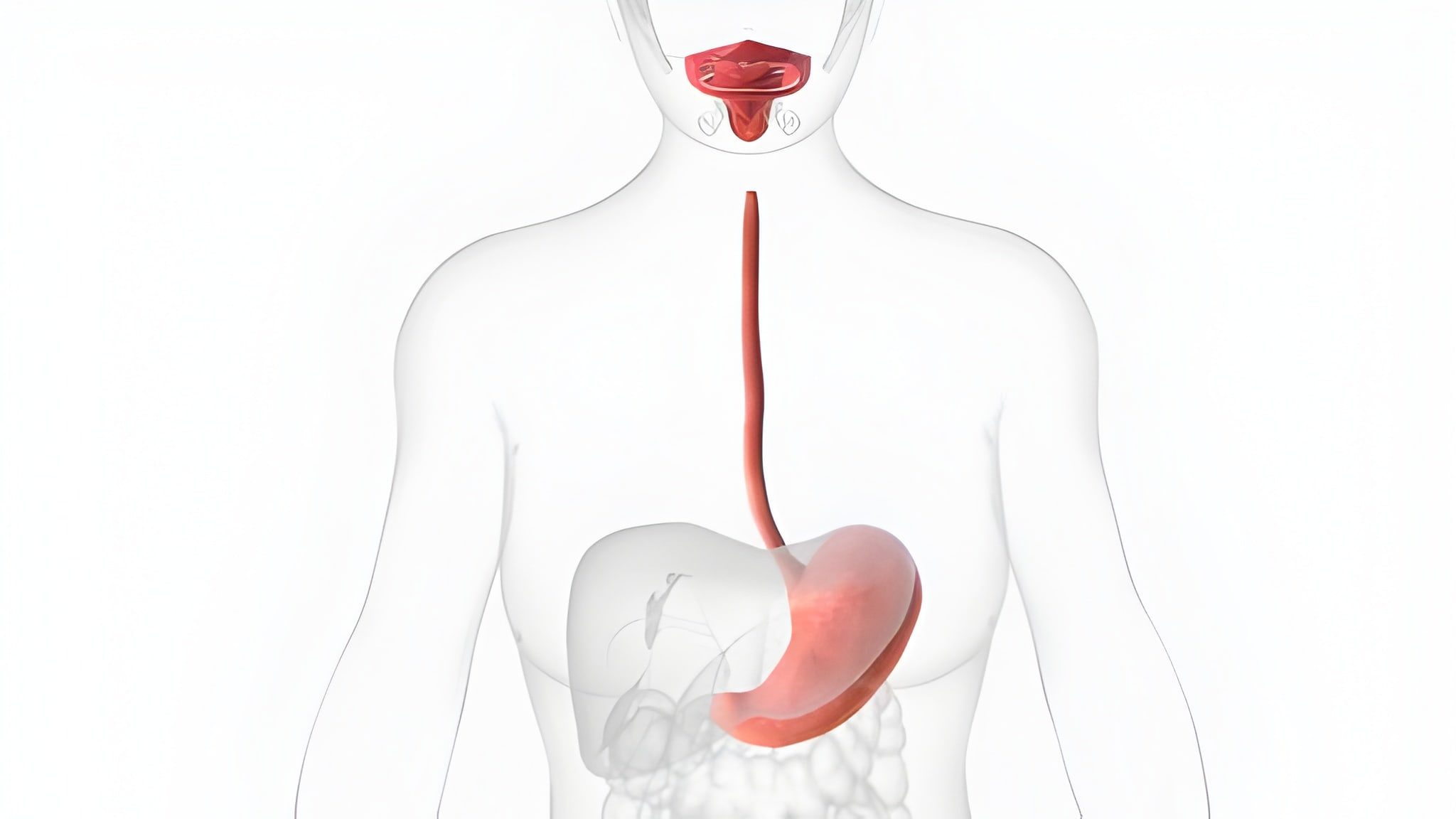
Here is a summary of the service information:
Indications and Symptoms
An upper GI endoscopy is typically recommended to investigate or treat certain conditions based on symptoms, or to monitor existing conditions.
Common Symptoms that may lead to an EGD:
Abdominal pain in the upper belly or chest (that is not heart-related)
Difficulty swallowing (dysphagia) or painful swallowing
Persistent nausea and vomiting of unknown cause
Heartburn/Reflux that is not responding well to medication
Gastrointestinal bleeding (indicated by black, tarry stools, or vomiting blood/coffee grounds)
Unexplained weight loss
Anemia (when the cause is suspected to be from the upper GI tract)
Conditions that may be Diagnosed or Treated:
Inflammation, ulcers, or tumors
Strictures (narrowed areas)
Polyps (growths)
Hiatal hernia
Celiac disease
Esophageal varices (enlarged veins)
The Procedure (Course)
Preparation: You will be asked to fast (no food or drink) for a certain period, usually 6-8 hours, before the procedure to ensure the stomach is empty. Your doctor may also advise you to stop certain medications (like blood thinners) before the test.
During the Procedure:
An IV line is usually started to administer a sedative, which helps you relax and often makes you sleepy, sometimes with little memory of the procedure.
Monitors are attached to track your heart rate, blood pressure, and oxygen level.
A local anesthetic spray may be used to numb the back of your throat to minimize the gag reflex.
A plastic mouth guard is placed to protect your teeth and the endoscope.
The doctor gently passes a thin, flexible tube called an endoscope (which has a camera and light on the tip) through your mouth, down the esophagus, into the stomach, and then into the duodenum. It will not interfere with your breathing.
Air may be inflated into the organs to get a better view.
Special tools can be passed through the scope to take biopsies (small tissue samples), stop bleeding, or remove polyps/objects.
The entire procedure typically takes 10 to 30 minutes.
After the Procedure: You will be taken to a recovery area for about an hour or more as the sedative wears off.
Recovery and Aftercare
Going Home: You must arrange for a responsible adult to drive you home, as you cannot drive or operate machinery for the rest of the day due to the sedation, as advised by a Top Gastroenterologist in Pune.
Common Side Effects: You may experience a sore throat, bloating, or gas due to the air used during the procedure. These usually resolve quickly under the care of an experienced Endoscopy Specialist in Pune.
Diet: You can usually resume your normal diet and drinking once the throat numbness wears off (typically within an hour), but follow your doctor’s specific instructions.
Activity: You should rest for the remainder of the day and can usually return to normal activities the next day.