
Colonoscopy
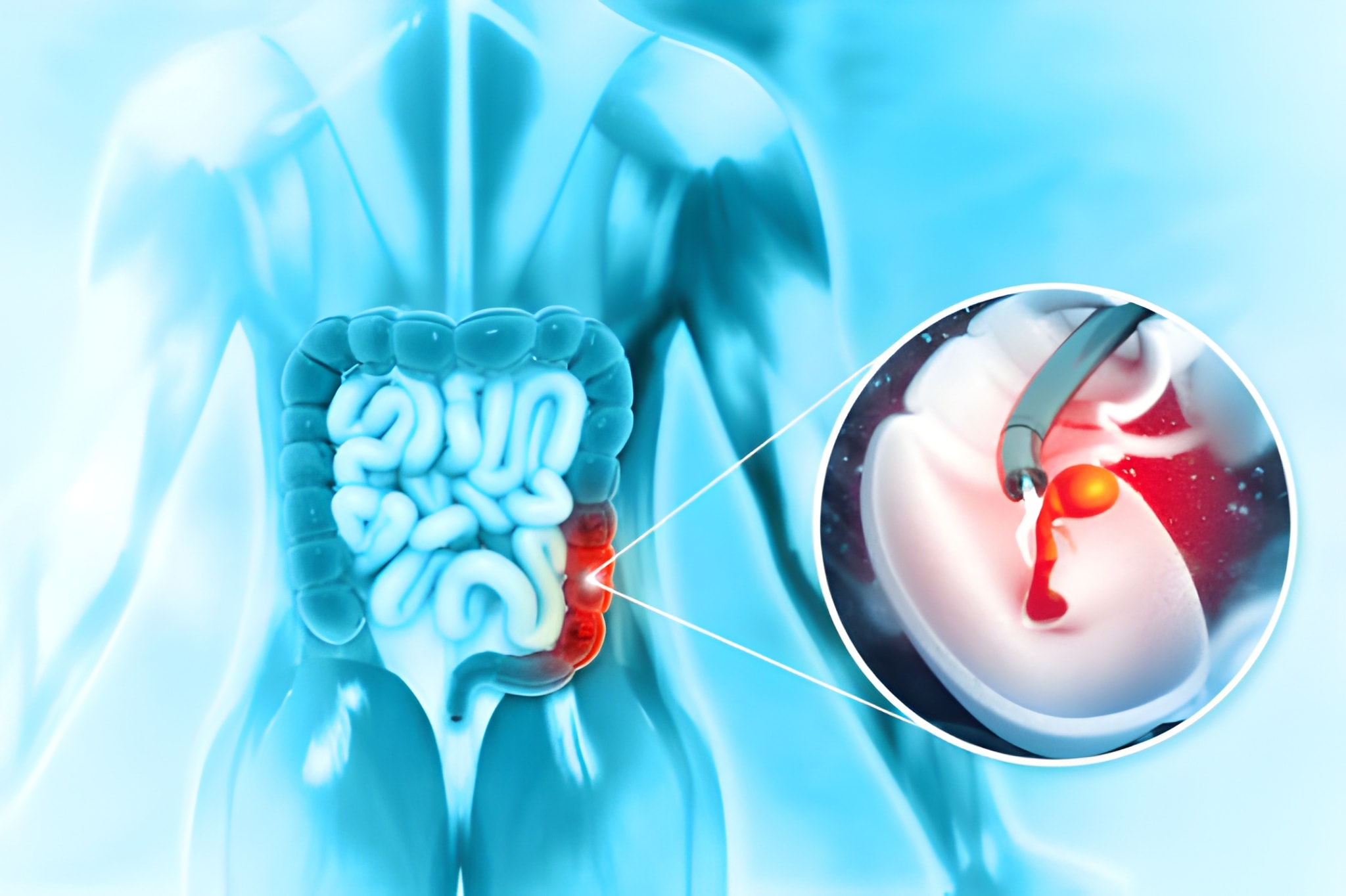
A colonoscopy is a medical procedure used to examine the lining of the large intestine (colon and rectum) using a long, flexible tube (colonoscope) with a light and a camera on the end.
Symptoms That May Lead to a Colonoscopy
A doctor may recommend a colonoscopy if you experience the following persistent or concerning symptoms:
Changes in Bowel Habits: Such as chronic diarrhea, constipation, or a change in stool consistency or shape.
Rectal Bleeding or Blood in Stool: This is a crucial indicator that needs investigation.
Abdominal Pain: Chronic or unexplained pain.
Unexplained Iron-Deficiency Anemia: This can indicate internal bleeding.
Unexplained Weight Loss.
Screening: A colonoscopy is also routinely performed for colorectal cancer screening, typically starting at age 45 or earlier if there are specific risk factors or a family history.
The Colonoscopy Procedure
The colonoscopy is usually performed as an outpatient procedure and involves several steps:
Preparation (Bowel Prep): This is the most critical step and begins the day before the procedure. It involves consuming a special liquid diet and a strong laxative solution to completely empty the colon. A clear colon is essential for the doctor to see the lining clearly.
Sedation: Upon arrival at the clinic or hospital, you’ll be given a mild sedative or anesthesia to keep you comfortable and relaxed during the procedure. You will likely sleep through it and not remember it.
Procedure: The doctor inserts the lubricated colonoscope into the rectum and advances it through the entire colon to the junction with the small intestine. Air or carbon dioxide is pumped into the colon to inflate it, which allows for a better view.
Examination and Intervention: The doctor carefully examines the colon lining on a video screen. If polyps (small growths that can potentially become cancerous) are found, they are typically removed immediately using tiny tools passed through the scope (polypectomy). Biopsies (small tissue samples) may also be taken of any suspicious areas.
Completion: The scope is slowly withdrawn. The entire procedure usually takes 30 to 60 minutes.
Recovery and Aftercare
Immediate Recovery (The First Few Hours)
Observation: You will be monitored in a recovery area until the effects of the sedation wear off.
Gas and Bloating: You’ll likely pass gas and feel some bloating or cramping due to the air introduced into your colon; this is normal and temporary.
Tiredness: The sedatives will make you feel sleepy and slightly groggy.
No Driving: You must have someone drive you home because the sedatives impair judgment and coordination. You should not drive, operate machinery, or make important decisions for the remainder of the day.
Aftercare (The Next Few Days)
Diet: You can usually return to your normal diet after leaving the facility unless otherwise instructed. Start with light, easily digestible food.
Rest: Take it easy for the rest of the day. Most people return to their usual activities the next day.
Medication: Your doctor will advise you on when to resume any blood-thinning or other regular medications.
Results: The doctor will share the initial findings with you immediately. Results from biopsies or polyp analysis (pathology report) will take several days, and will be reviewed in detail by an experienced Endoscopy Specialist in Pune during your follow-up.
GET IN TOUCH
For appointments or inquiries regarding Emergency Medicine, reach out to us today. Our skilled team is ready to provide personalized care and advanced, timely treatment.