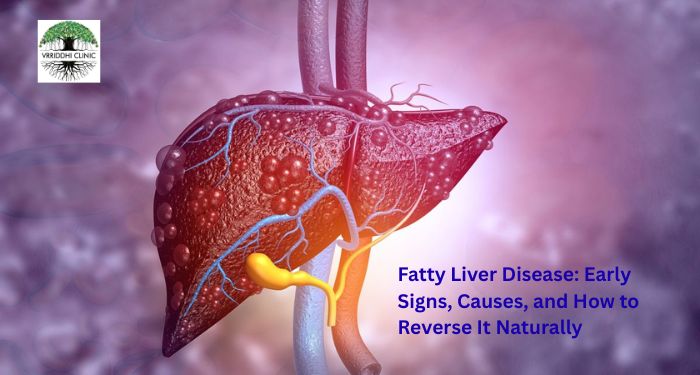
Fatty liver disease is becoming increasingly common due to modern lifestyle habits. It occurs when excess fat builds up in liver cells, affecting the liver’s normal functioning. In the early stages, fatty liver disease often shows no clear symptoms, which makes it even more dangerous if left untreated. The good news is that early detection and lifestyle changes can help reverse the condition. Consulting a qualified Liver Specialist in Wadgaon Sheri can help diagnose the problem early and guide you toward effective treatment.
The liver plays a vital role in digestion, detoxification, and metabolism. When fat accumulation exceeds normal levels, it can lead to inflammation and, over time, serious liver damage. Fatty liver disease is commonly classified into alcoholic fatty liver disease and non-alcoholic fatty liver disease. Both types require medical attention and lifestyle correction.
Early Signs of Fatty Liver Disease
One of the biggest challenges with fatty liver disease is that it often remains silent in the initial stages. Many people discover it accidentally during routine blood tests or ultrasound scans. Some early signs may include constant fatigue, weakness, mild pain or discomfort in the upper right abdomen, bloating, and unexplained weight gain.
As the condition progresses, symptoms may worsen and include loss of appetite, nausea, abdominal swelling, and difficulty digesting food. Ignoring these signs can lead to liver inflammation, fibrosis, or even cirrhosis. This is why early consultation with a Liver Specialist in Wadgaon Sheri is important for timely intervention.
Common Causes of Fatty Liver Disease
Fatty liver disease is closely linked to lifestyle and metabolic factors. Poor dietary habits, excessive consumption of fried and processed foods, and high sugar intake are major contributors. Obesity and lack of physical activity significantly increase the risk. Diabetes, high cholesterol, and insulin resistance also play a major role in fat accumulation in the liver.
Excessive alcohol consumption is a leading cause of alcoholic fatty liver disease. Long-term alcohol intake damages liver cells and interferes with fat metabolism. Certain medications, hormonal imbalances, and rapid weight loss can also contribute to liver fat buildup. A proper evaluation by a Liver Specialist in Wadgaon Sheri helps identify the exact cause and plan appropriate treatment.
How Fatty Liver Disease Is Diagnosed
Diagnosis usually begins with blood tests that check liver enzyme levels. Elevated enzymes may indicate liver stress or inflammation. Imaging tests such as ultrasound, CT scan, or MRI help detect fat accumulation in the liver. In some cases, advanced tests may be required to assess the severity of liver damage.
Early diagnosis plays a key role in reversing fatty liver disease. Regular health checkups and timely consultation with a liver expert help prevent progression to serious liver conditions.
Can Fatty Liver Disease Be Reversed Naturally?
Yes, fatty liver disease can often be reversed naturally, especially in its early stages. Lifestyle modification is the most effective treatment. Weight loss through healthy eating and regular exercise helps reduce fat in the liver. Even a small reduction in body weight can significantly improve liver health.
A balanced diet rich in fruits, vegetables, whole grains, and lean proteins supports liver recovery. Reducing sugar, refined carbohydrates, and saturated fats is essential. Avoiding alcohol completely is crucial for healing, especially in alcoholic fatty liver disease. Drinking adequate water and managing stress also help improve liver function.
Regular physical activity such as walking, yoga, or light workouts boosts metabolism and reduces liver fat. A Liver Specialist in Wadgaon Sheri can guide you with a personalized diet and lifestyle plan based on your condition.
Medical Care and Monitoring
While lifestyle changes are the foundation of treatment, medical supervision is important. Doctors may prescribe medications to manage associated conditions like diabetes, cholesterol, or obesity. Regular follow-up tests help monitor liver improvement and prevent complications.
Advanced cases may require closer monitoring to prevent progression to liver fibrosis or cirrhosis. Timely medical care ensures better outcomes and long-term liver health.
When to Consult a Liver Specialist
You should consult a liver specialist if you experience persistent fatigue, abdominal discomfort, abnormal liver tests, or have risk factors like obesity, diabetes, or alcohol consumption. Early consultation allows effective management and reduces the risk of permanent liver damage.
Choosing an experienced Liver Specialist in Wadgaon Sheri ensures accurate diagnosis, proper guidance, and comprehensive care for fatty liver disease.
FAQs
1. Is fatty liver disease a serious condition?
Fatty liver disease can become serious if left untreated. Early stages are reversible, but advanced stages may lead to liver damage.
2. Can fatty liver disease go away on its own?
With proper lifestyle changes, diet control, and medical guidance, fatty liver disease can improve and even reverse.
3. How long does it take to reverse fatty liver disease?
Improvement may be seen within a few months of consistent lifestyle changes, depending on severity and overall health.
4. Do I need lifelong treatment for fatty liver disease?
Most patients need long-term lifestyle management rather than lifelong medication. Regular follow-ups with a liver specialist are important.