
Foreign Body Removal
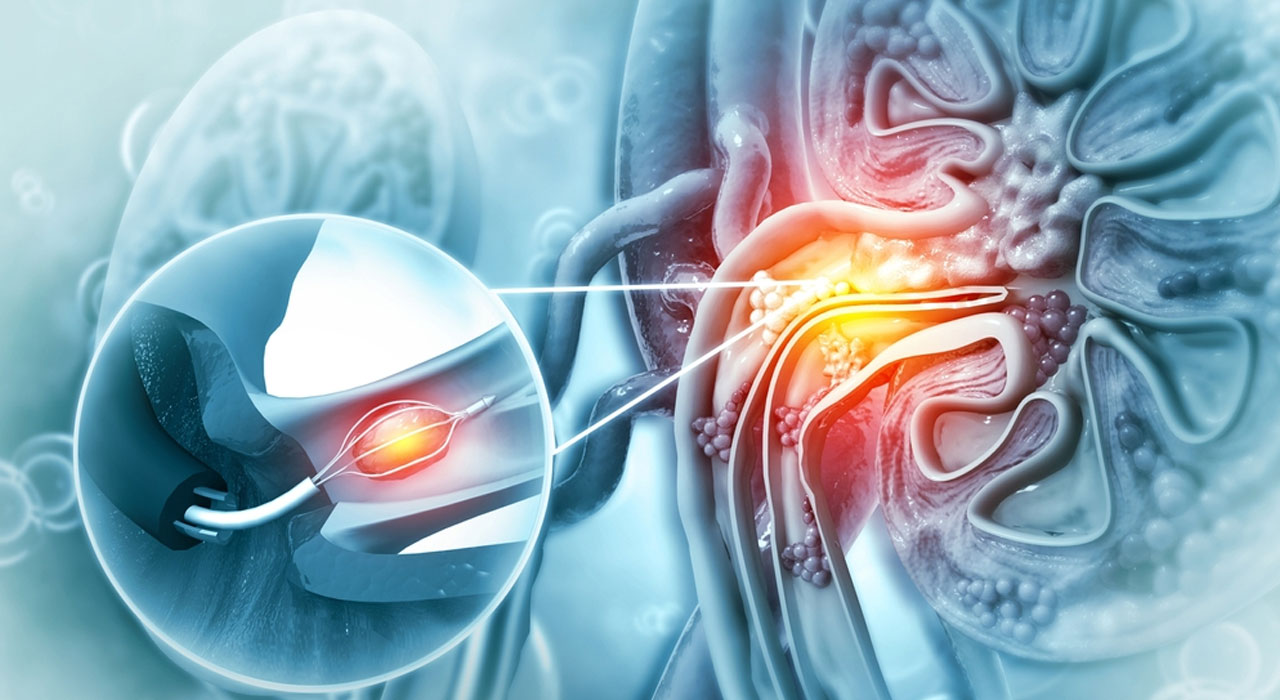
Foreign Body Removal Services Information
Foreign Body Removal is a medical procedure to extract an object that has entered the body from the outside, or has moved to a location where it doesn’t belong.
Symptoms
The presentation of foreign body symptoms is highly dependent on the object’s location, size, and nature, but generally revolves around pain, obstruction, and irritation. For objects lodged in the eyes or skin, common symptoms include localized pain, redness, swelling, and a persistent sensation of something being present. If the foreign body is in the ear, one may experience earache, a feeling of fullness, discharge, or difficulty hearing. An item in the nose typically causes unilateral (one-sided) nasal discharge, often foul-smelling, and difficulty breathing through the affected nostril. Crucially, a foreign body in the airway or throat presents as a medical emergency, often indicated by choking, persistent coughing, wheezing, drooling, or difficulty swallowing (dysphagia), which signals an obstruction requiring immediate attention. For ingested objects that have moved to the stomach or intestines, symptoms may be vague or include abdominal pain, vomiting, or blood in the stool.
Courses (Procedure Details)
The method for removing a foreign body is determined by its location, size, and material.
Non-Invasive/Simple Removal: For superficial objects (e.g., splinters, easy-to-reach items in the ear/nose).
Techniques may include using forceps, suction, irrigation (flushing with fluid), or specialized loops/hooks.
Often performed in a clinic or emergency room with local anesthetic (or no anesthetic) .
Endoscopic Removal: Used for objects in the gastrointestinal tract (esophagus, stomach) or the airway/bronchi.
A flexible tube with a camera (endoscope or bronchoscope) is passed into the body.
Specialized tools (e.g., graspers, baskets) are passed through the scope to retrieve the object.
Usually performed under sedation or general anesthesia.
Surgical Removal: Required for deeply embedded objects, sharp items, objects causing significant damage, or those that cannot be safely retrieved by other means (e.g., deeply embedded glass, a foreign body inside a joint).
Involves an incision (cut) to access and remove the object.
Performed in an operating room under general or local anesthesia.
Observation: Sometimes, small, smooth objects that have been swallowed (e.g., a coin) may be allowed to pass naturally if they are not causing symptoms and are not considered dangerous (like button batteries). Imaging is used to track their movement.
Recovery and Aftercare
Recovery time and aftercare instructions vary based on the method of removal and the initial injury.
Recovery
Simple/Endoscopic Removal: Recovery is often immediate or within a few hours. Mild soreness or irritation may last a day or two.
Surgical Removal: Recovery involves standard wound healing. Pain is managed with medication. The area may need to be kept dry and restricted from activity for 1 to 2 weeks.
Aftercare
Wound Care (Surgical): Keep the incision site clean and dry. Change dressings as instructed. Monitor for signs of infection (increased redness, swelling, warmth, pus). Do not pick at scabs or stitches.
Medication: Take antibiotics (if prescribed) to prevent infection, and pain relievers as needed. Complete the full course of antibiotics.
Rest and Activity: Restrict strenuous activity as advised, especially after internal or surgical removal, to allow tissues to heal.
Diet: After foreign body removal from the esophagus or stomach, a soft diet may be recommended for a short period.
Follow-up: Attend all scheduled follow-up appointments to ensure proper healing and that there are no complications.
Seek Immediate Care: Return to the clinic or emergency room immediately if you experience fever, severe or worsening pain, uncontrolled bleeding, or signs of obstruction (inability to swallow, persistent vomiting). Consult a Top Gastroenterologist in Pune for proper evaluation and care..