
GI Bleeding
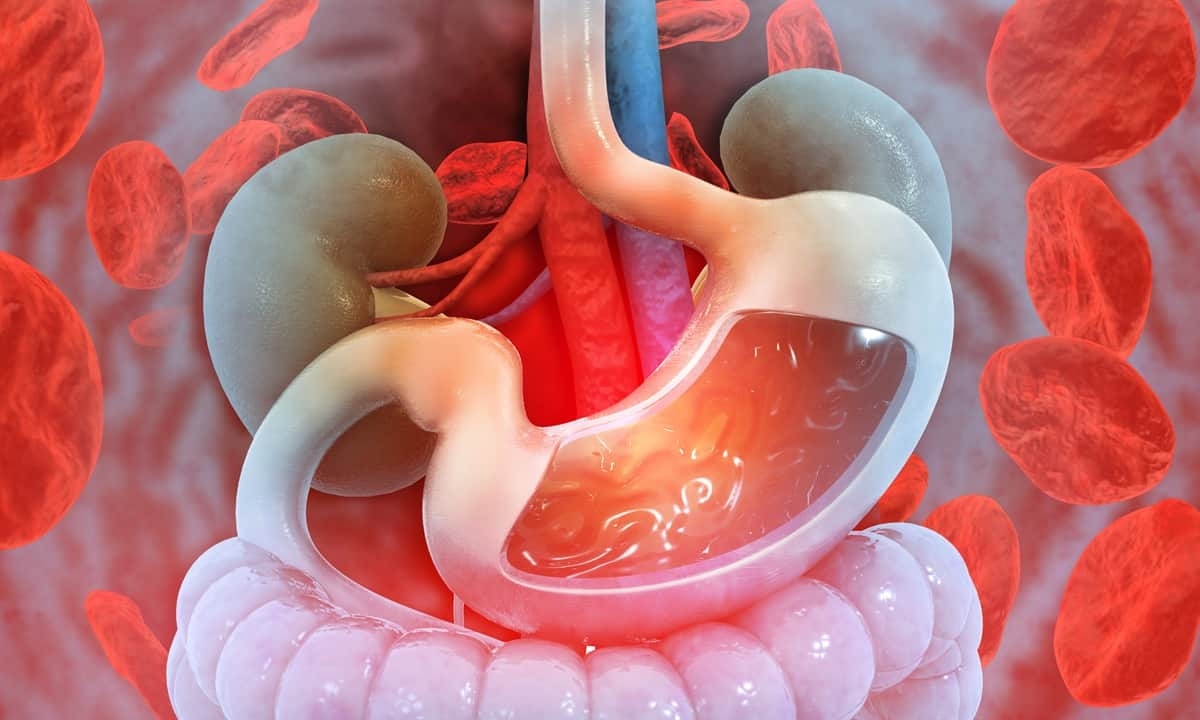
GI Bleeding
GI bleeding refers to any form of bleeding that originates from the digestive tract, which includes the esophagus, stomach, small intestine, large intestine (colon), rectum, and anus. It can range from mild to life-threatening and may be visible or hidden (occult).
Symptoms of GI Bleeding
The symptoms can vary depending on the location (upper vs. lower GI tract), severity, and cause of the bleeding.
Common Symptoms:
Visible blood in vomit (hematemesis)
Black, tarry stools (melena – typically upper GI source)
Bright red or maroon-colored stool (hematochezia – usually lower GI source)
Fatigue or weakness
Dizziness or fainting
Pale skin or shortness of breath
Abdominal pain or cramping
Shock (in severe bleeding – rapid pulse, low blood pressure)
Silent or Occult Bleeding:
Detected only through tests (e.g., iron-deficiency anemia, fecal occult blood test)
Common in slow, chronic GI bleeding
Course of Evaluation and Treatment
Initial Assessment:
Medical history and physical exam
Vital signs to assess severity (e.g., signs of shock)
Blood tests: CBC, clotting factors, liver function, etc.
IV fluids or blood transfusions for severe cases
Diagnostic Procedures:
Depending on the suspected source of bleeding:
Upper GI Endoscopy (EGD) – to identify bleeding from the esophagus, stomach, or duodenum
Colonoscopy – for lower GI sources
Capsule endoscopy or enteroscopy – for small bowel bleeding
CT angiography or tagged red blood cell scan – for active or unclear bleeding
Nasogastric tube lavage – may be used to assess upper GI bleeding
Treatment:
Endoscopic therapy:
Injection of medications
Thermal coagulation
Clipping of bleeding vessels
Medications:
Proton pump inhibitors (PPIs)
Antibiotics (if related to infection or cirrhosis)
Vasoconstrictors (in cases like variceal bleeding)
Surgery or interventional radiology if bleeding cannot be controlled endoscopically
Management of underlying causes (ulcers, varices, diverticulosis, cancer, etc.)
Recovery
The recovery period depends on the cause and severity of the bleed:
Mild cases (e.g., small ulcers or hemorrhoids): recovery may be rapid with medication and rest.
Moderate to severe cases (e.g., variceal bleeding, bleeding tumors): may require hospitalization, intensive care, and long-term follow-up.
Post-Treatment Monitoring Includes:
Repeat blood tests to monitor hemoglobin levels
Monitoring for signs of re-bleeding
Assessment for the need of further procedures will be done by a Gastroenterologist in Wadegaon Sheri to ensure proper diagnosis and treatment.