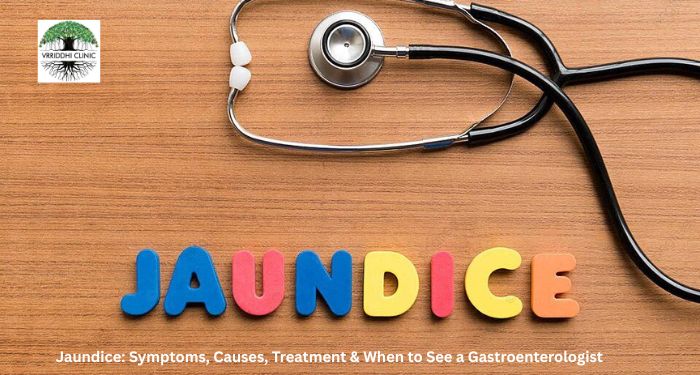
Jaundice is a condition that causes yellowing of the skin, eyes, and mucous membranes due to an increased level of bilirubin in the blood. While jaundice itself is not a disease, it is often a sign of an underlying problem involving the liver, gallbladder, bile ducts, or blood. Early diagnosis is essential because timely treatment can prevent complications and support better liver health.
If you or a loved one develops symptoms of jaundice, consulting an experienced Gastroenterologist in Pune can help identify the underlying cause and provide appropriate treatment.
What Is Jaundice?
Jaundice occurs when bilirubin, a yellow pigment produced during the normal breakdown of red blood cells, builds up in the body. Normally, the liver processes bilirubin and removes it through bile. However, when this process is disrupted, bilirubin accumulates, leading to the characteristic yellow discoloration.
Jaundice can affect people of all ages, including newborns, children, and adults.
Common Symptoms of Jaundice
The severity of symptoms depends on the underlying cause and how quickly bilirubin levels rise.
1. Yellowing of the Skin and Eyes
The most recognizable sign of jaundice is a yellow tint to the skin and the whites of the eyes.
2. Dark-Colored Urine
Urine may become dark yellow or brown due to increased bilirubin.
3. Pale or Clay-Colored Stools
Reduced bile reaching the intestines can make stools appear pale or light-colored.
4. Itchy Skin
Some individuals experience generalized itching because bile salts accumulate beneath the skin.
5. Fatigue and Weakness
Liver-related conditions often cause tiredness, weakness, and reduced energy levels.
6. Loss of Appetite
Many people with jaundice notice a decreased desire to eat.
7. Nausea and Vomiting
Digestive symptoms may accompany liver or gallbladder disorders.
8. Fever
Fever may indicate an infection affecting the liver or bile ducts.
9. Abdominal Pain
Pain in the upper right side of the abdomen may suggest liver inflammation, gallstones, or bile duct blockage.
10. Unexplained Weight Loss
Persistent jaundice associated with weight loss should always be evaluated promptly.
What Causes Jaundice?
Jaundice can develop due to several medical conditions.
Liver Diseases
The liver may be unable to process bilirubin effectively because of:
- Viral hepatitis
- Fatty liver disease
- Liver cirrhosis
- Alcohol-related liver disease
- Liver cancer
An experienced liver specialist in Pune can evaluate these conditions thoroughly.
Gallstones
Gallstones can block the bile ducts, preventing bile from draining normally.
Bile Duct Disorders
Conditions affecting the bile ducts include:
- Bile duct strictures
- Bile duct infections
- Bile duct tumors
Hemolytic Disorders
Rapid destruction of red blood cells produces excessive bilirubin.
Examples include:
- Hemolytic anemia
- Certain inherited blood disorders
Pancreatic Conditions
Tumors or inflammation of the pancreas may compress the bile duct, leading to jaundice.
Types of Jaundice
Pre-Hepatic Jaundice
Occurs before bilirubin reaches the liver due to excessive breakdown of red blood cells.
Hepatic Jaundice
Results from liver diseases that impair bilirubin processing.
Post-Hepatic (Obstructive) Jaundice
Develops when bile flow is blocked after leaving the liver, often due to gallstones or tumors.
Risk Factors
Certain factors increase the likelihood of developing jaundice.
These include:
- Excessive alcohol consumption
- Viral hepatitis
- Obesity
- Fatty liver disease
- Gallstones
- Certain medications
- Chronic liver disease
- Blood disorders
How Is Jaundice Diagnosed?
An experienced digestive health specialist in Pune will begin with a detailed medical history and physical examination.
Diagnostic tests may include:
Blood Tests
These evaluate:
- Bilirubin levels
- Liver enzymes
- Complete blood count
- Clotting function
Ultrasound
Helps identify gallstones, liver abnormalities, or bile duct blockage.
CT Scan or MRI
Provides detailed images when needed.
MRCP (Magnetic Resonance Cholangiopancreatography)
Evaluates the bile ducts without surgery.
ERCP
Used to diagnose and sometimes treat bile duct obstruction.
Liver Biopsy
Occasionally recommended to diagnose certain liver diseases.
Treatment for Jaundice
Treatment depends entirely on the underlying cause.
Medications
Doctors may prescribe medicines for:
- Hepatitis
- Infections
- Liver inflammation
Gallstone Treatment
Gallstones causing bile duct obstruction may require endoscopic removal or surgery.
Lifestyle Changes
Patients may be advised to:
- Avoid alcohol
- Eat a balanced diet
- Maintain hydration
- Manage diabetes
- Achieve a healthy weight
Advanced Liver Care
Individuals with severe liver disease may require specialized treatment under a hepatologist in Pune.
Foods to Eat During Recovery
A nutritious diet supports liver function.
Recommended foods include:
- Fresh fruits
- Green leafy vegetables
- Whole grains
- Lentils
- Lean proteins
- Low-fat dairy
- Nuts and seeds (in moderation)
- Plenty of water
Foods to Limit
Avoid or reduce:
- Alcohol
- Fried foods
- Excess sugar
- Processed foods
- High-fat meals
- Sugary beverages
Can Jaundice Be Prevented?
While not all causes are preventable, several healthy habits can reduce your risk.
Maintain a Healthy Weight
Obesity increases the risk of fatty liver disease.
Limit Alcohol Intake
Excessive alcohol can damage the liver.
Get Vaccinated
Vaccination protects against hepatitis A and hepatitis B.
Practice Good Hygiene
Proper sanitation reduces the risk of viral hepatitis.
Eat a Balanced Diet
A healthy diet supports liver function and overall digestive health.
Exercise Regularly
Physical activity helps prevent fatty liver disease.
When Should You See a Doctor?
Seek immediate medical attention if you notice:
- Yellow eyes or skin
- Persistent abdominal pain
- High fever
- Confusion
- Severe vomiting
- Blood in vomit or stool
- Extreme weakness
- Rapid weight loss
Consulting a qualified Gastroenterologist in Pune at the earliest can help identify the cause and begin timely treatment.
Why Early Diagnosis Matters
Ignoring jaundice can lead to serious complications, including:
- Liver failure
- Chronic liver disease
- Severe infections
- Nutritional deficiencies
- Permanent liver damage
Early diagnosis significantly improves treatment outcomes.
Conclusion
Jaundice is an important warning sign that should never be ignored. While it often presents as yellowing of the skin and eyes, the underlying causes can range from mild infections to significant liver or bile duct disorders. Early evaluation and appropriate treatment are essential for protecting liver health and preventing complications.
If you experience symptoms of jaundice, consult an experienced Gastroenterologist in Pune. A skilled liver specialist in Pune, hepatologist in Pune, or digestive health specialist in Pune can determine the exact cause and recommend the most effective treatment plan for your condition.
Frequently Asked Questions
1. Is jaundice a disease?
No. Jaundice is a symptom that indicates an underlying condition affecting the liver, bile ducts, or blood.
2. What is the first sign of jaundice?
The earliest and most noticeable sign is yellowing of the eyes, followed by yellow discoloration of the skin.
3. Can jaundice be treated?
Yes. Treatment depends on the underlying cause, such as liver disease, gallstones, or infections.
4. Which foods should I eat if I have jaundice?
Choose fresh fruits, vegetables, whole grains, lean proteins, and drink plenty of water while avoiding alcohol and fatty foods.
5. When should I consult a gastroenterologist?
You should seek medical advice if you notice yellow eyes or skin, dark urine, pale stools, abdominal pain, persistent fever, or unexplained fatigue.