
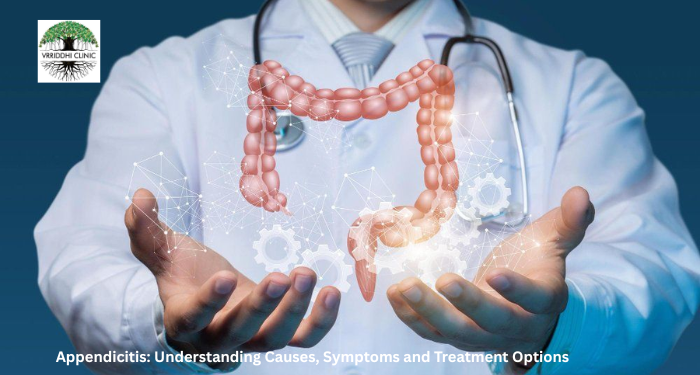
Appendicitis is a common digestive condition that occurs when the appendix becomes inflamed. The appendix is a small tube-shaped organ connected to the large intestine. Although its exact function is not fully understood, inflammation of the appendix can cause significant discomfort and may require timely medical attention.
Early diagnosis and proper treatment are important to prevent complications. If you are experiencing symptoms related to appendicitis, consulting an experienced Gastroenterologist in Pune can help with accurate evaluation and appropriate management.
Dr. Akshay Kale is a trusted Best Gastroenterologist in Pune, providing expert care for various digestive system conditions with advanced diagnostic and treatment approaches.
What Is Appendicitis?
Appendicitis is the inflammation of the appendix, usually caused by blockage inside the appendix. When the appendix becomes blocked, bacteria can multiply, causing swelling and inflammation.
Appendicitis can occur at any age but is commonly seen in teenagers and young adults. It requires timely medical evaluation because untreated inflammation may lead to serious complications.
Causes of Appendicitis
Several factors can contribute to the development of appendicitis, including:
Blockage Inside the Appendix
One of the most common causes of appendicitis is blockage of the appendix opening. This blockage may occur due to:
- Hardened stool particles
- Swollen lymph tissue
- Digestive tract infections
- Inflammation in the intestine
The blockage can trap bacteria inside the appendix, leading to inflammation.
Infections
Certain infections in the digestive system may cause swelling of lymph tissues around the appendix. This swelling can block the appendix and increase the risk of inflammation.
Digestive Tract Inflammation
Inflammatory conditions affecting the digestive system may sometimes contribute to appendix blockage and irritation.
Common Symptoms of Appendicitis
The symptoms of appendicitis can vary from person to person. Common signs include:
- Sudden discomfort around the abdomen
- Discomfort that shifts to the lower right side of the abdomen
- Loss of appetite
- Nausea or vomiting
- Fever
- Abdominal swelling
- Difficulty passing gas
- Changes in bowel habits
If these symptoms appear suddenly or become severe, immediate medical evaluation is recommended.
When Should You Consult a Gastroenterologist?
You should consult a Gastroenterologist in Pune if you experience:
- Persistent abdominal discomfort
- Sudden worsening of symptoms
- Fever with abdominal discomfort
- Nausea and vomiting
- Loss of appetite along with abdominal symptoms
Early consultation helps identify the exact cause and prevents delays in treatment.
Diagnosis of Appendicitis
Accurate diagnosis is important because abdominal symptoms can occur due to several digestive conditions.
A gastroenterologist may recommend:
Physical Examination
The doctor evaluates symptoms, abdominal tenderness, and medical history.
Blood Tests
Blood tests may help identify signs of inflammation or infection.
Imaging Tests
Ultrasound or CT scan may be suggested to get detailed information about the appendix and surrounding areas.
Dr. Akshay Kale provides comprehensive digestive health evaluation and personalized treatment guidance for patients with gastrointestinal concerns.
Appendicitis Treatment Options
The treatment approach depends on the severity of inflammation and the patient’s overall health condition.
Medication and Monitoring
In selected cases, doctors may consider medication-based management with close monitoring. The treatment decision depends on individual evaluation.
Surgical Treatment
In many cases, removal of the inflamed appendix may be recommended. This procedure is known as an appendectomy.
Appendectomy may be performed through:
- Traditional open surgery
- Minimally invasive laparoscopic surgery
The doctor decides the most suitable approach based on the patient’s condition.
Recovery After Appendicitis Treatment
Recovery depends on the type of treatment and individual healing process.
General recovery tips include:
- Follow medical advice
- Take prescribed medicines properly
- Maintain a healthy diet
- Avoid heavy physical activities during recovery
- Attend follow-up consultations
Proper post-treatment care helps support smooth recovery.
Can Appendicitis Be Prevented?
There is no guaranteed way to prevent appendicitis, but maintaining good digestive health may support overall wellness.
Helpful habits include:
- Eating a balanced diet
- Including enough fiber in meals
- Drinking adequate water
- Maintaining healthy bowel habits
- Seeking timely medical advice for digestive symptoms
Why Choose Dr. Akshay Kale for Appendicitis Care in Pune?
Dr. Akshay Kale is an experienced Gastroenterologist in Pune specializing in digestive health evaluation and advanced gastroenterology care. He has expertise in managing various gastrointestinal conditions and provides patient-focused treatment with accurate diagnosis and personalized guidance.
Patients choose expert gastroenterology care for:
- Detailed digestive system evaluation
- Advanced diagnostic support
- Personalized treatment planning
- Patient-friendly approach
- Comprehensive follow-up care
Conclusion
Appendicitis is a condition that requires timely diagnosis and appropriate treatment. Ignoring symptoms such as sudden abdominal discomfort, nausea, vomiting, or fever may increase the risk of complications.
If you are looking for the Best Gastroenterologist in Pune, consult Dr. Akshay Kale for expert evaluation and personalized digestive health care. Early medical attention can help ensure better treatment outcomes.
Frequently Asked Questions
1. What is the main cause of appendicitis?
Appendicitis commonly occurs due to blockage inside the appendix, which leads to bacterial growth and inflammation.
2. What are the early symptoms of appendicitis?
Early symptoms may include abdominal discomfort, loss of appetite, nausea, vomiting, and fever.
3. Can appendicitis be treated without surgery?
In some selected cases, doctors may consider non-surgical management. However, many cases require appendix removal depending on severity.
4. Which doctor treats appendicitis?
A Gastroenterologist or gastrointestinal surgeon can evaluate appendicitis and guide appropriate treatment.
5. When should I visit a gastroenterologist for abdominal symptoms?
If abdominal symptoms are persistent, severe, or associated with fever and vomiting, consult a gastroenterologist for proper evaluation.