
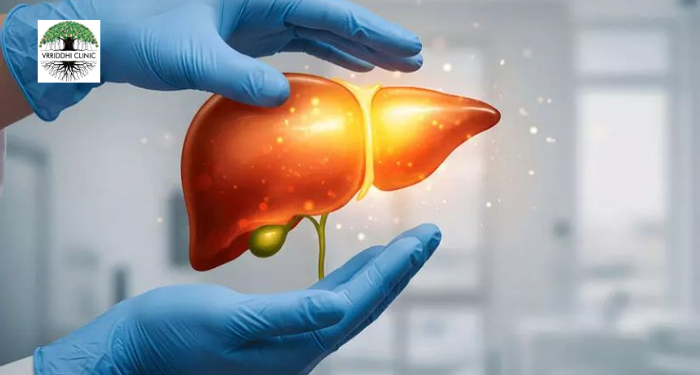
Understanding Liver Health
The liver is one of the most important organs in the human body. It performs several essential functions, including processing nutrients, supporting digestion, helping manage cholesterol and blood sugar, storing certain vitamins and minerals, and removing harmful substances from the bloodstream.
Because the liver performs so many functions, problems affecting it can have an impact on overall health. Some liver conditions may develop gradually and produce few noticeable symptoms in the early stages. Regular health checkups and timely medical evaluation can therefore play an important role in identifying potential concerns.
If you are looking for a liver specialist in Pune, consulting an experienced doctor can help with proper evaluation, diagnosis and management of liver-related concerns.
Common Liver Problems
Liver problems can occur for several different reasons. Some are related to lifestyle and metabolic health, while others may be caused by infections, medications, alcohol use, autoimmune conditions or genetic factors.
Some commonly encountered liver conditions include:
❯❯ Fatty liver
❯❯ Hepatitis
❯❯ Liver fibrosis
❯❯ Liver cirrhosis
❯❯ Alcohol-related liver problems
❯❯ Viral liver infections
❯❯ Autoimmune liver conditions
❯❯ Certain liver tumours
The appropriate treatment depends on the underlying cause and the condition’s severity.
Fatty Liver and Liver Health
Fatty liver occurs when excess fat accumulates in the liver. It is increasingly recognised in people with metabolic concerns such as overweight or obesity, diabetes, high cholesterol and high blood pressure.
Many people with fatty liver may not experience obvious symptoms. Some may experience tiredness or discomfort in the upper-right area of the abdomen, although these symptoms are not specific to fatty liver.
Lifestyle management can be an important part of care. Depending on individual circumstances, a doctor may recommend weight management, regular physical activity, a balanced diet and management of associated conditions such as diabetes and cholesterol abnormalities.
Medical evaluation is important because fatty liver can sometimes progress to inflammation and scarring.
Hepatitis
Hepatitis refers to inflammation of the liver. It can have several causes, including viral infections, alcohol, certain medications, autoimmune conditions and other factors.
Viral hepatitis includes types such as hepatitis A, B, C, D and E. Different types have different routes of transmission and treatment approaches.
Some forms may resolve with appropriate care, while others can become long-term conditions. Testing is important when hepatitis is suspected because symptoms alone may not be enough to identify the specific cause.
Liver Cirrhosis
Cirrhosis occurs when long-term liver damage causes significant scarring of the liver. Several conditions can contribute to cirrhosis, including chronic viral hepatitis, alcohol-associated liver disease and metabolic liver conditions.
In the early stages, symptoms may be limited or absent. As liver function becomes affected, symptoms can include:
❯❯ Persistent tiredness
❯❯ Loss of appetite
❯❯ Weight changes
❯❯ Yellowing of the skin or eyes
❯❯ Swelling in the legs
❯❯ Abdominal swelling
❯❯ Easy bruising or bleeding
❯❯ Changes in alertness or concentration
Cirrhosis requires ongoing medical monitoring. Treatment focuses on addressing the underlying cause, preventing further damage and managing complications.
Warning Signs That Should Not Be Ignored
Liver problems do not always cause clear symptoms in the beginning. However, certain changes should be medically evaluated.
These may include:
❯❯ Yellowing of the skin or eyes
❯❯ Dark-coloured urine
❯❯ Persistent nausea or loss of appetite
❯❯ Unexplained weight loss
❯❯ Ongoing fatigue
❯❯ Abdominal swelling
❯❯ Swelling in the feet or ankles
❯❯ Easy bruising
❯❯ Persistent abdominal discomfort
These symptoms can have several causes, so they do not necessarily indicate a liver condition. A medical consultation and appropriate testing can help determine the cause.
How Is Liver Health Evaluated?
A liver specialist may begin with a detailed discussion about symptoms, medical history, medications, lifestyle habits and any existing health conditions.
Depending on the situation, the doctor may recommend investigations such as:
❯❯ Liver function tests
❯❯ Complete blood count
❯❯ Blood tests for viral hepatitis
❯❯ Blood sugar and cholesterol testing
❯❯ Abdominal ultrasound
❯❯ FibroScan or other liver stiffness assessment
❯❯ CT or MRI when required
❯❯ Additional specialised tests in selected cases
Not every patient requires every test. Investigations are selected based on the individual’s symptoms and clinical findings.
Importance of Early Evaluation
One of the challenges with liver conditions is that some may progress without producing significant symptoms. By the time noticeable symptoms develop, the condition may already be more advanced.
Early evaluation can help identify risk factors and provide an opportunity for appropriate management. This is particularly relevant for people with diabetes, obesity, high cholesterol, regular alcohol consumption, viral hepatitis or a family history of certain liver conditions.
Regular monitoring may also be recommended for people who have already been diagnosed with a liver condition.
Lifestyle Habits for Better Liver Health
A healthy lifestyle can support liver health and overall well-being.
Some useful habits include:
❯❯ Maintain a healthy body weight.
❯❯ Eat a balanced diet with appropriate portions.
❯❯ Include vegetables, fruits, whole grains and suitable protein sources.
❯❯ Limit excessive sugar and highly processed foods.
❯❯ Stay physically active.
❯❯ Avoid unnecessary use of medications or supplements.
❯❯ Avoid or limit alcohol according to medical advice.
❯❯ Get tested for viral hepatitis when appropriate.
❯❯ Attend regular health checkups if you have relevant risk factors.
It is important to remember that lifestyle recommendations should be personalised according to your health status.
When Should You Consult a Liver Specialist?
You may consider consulting a liver specialist if you have abnormal liver function test results, persistent liver-related symptoms or an existing liver condition requiring specialised care.
A specialist consultation may also be useful for people diagnosed with fatty liver, hepatitis, fibrosis or cirrhosis, or those who have multiple metabolic risk factors.
If another doctor has identified abnormal liver enzymes or imaging findings, a liver specialist can help interpret the results and determine whether further evaluation is needed.
Liver Care in Pune
Pune has a growing population with increasing awareness about preventive healthcare and specialist medical services. Having access to experienced liver care can be particularly useful for people who require regular monitoring or specialised treatment.
When choosing a liver specialist in Pune, consider the doctor’s qualifications, experience with liver-related conditions, diagnostic approach and ability to provide appropriate long-term follow-up.
A good consultation should allow you to discuss your symptoms, test reports and concerns openly while understanding the recommended treatment and lifestyle measures.
Frequently Asked Questions
1. What does a liver specialist treat?
A liver specialist evaluates and manages conditions affecting the liver, including fatty liver, hepatitis, fibrosis, cirrhosis and other liver-related concerns.
2. Can fatty liver be reversed?
In some people, particularly in the earlier stages, lifestyle changes and management of underlying metabolic factors can reduce liver fat and improve liver health. The appropriate approach depends on the individual’s condition.
3. Are liver problems always associated with symptoms?
No. Some liver conditions can remain unnoticed for a long time. Routine testing may identify abnormalities before significant symptoms appear.
4. What tests are commonly used to check liver health?
Blood tests such as liver function tests and imaging such as ultrasound may be used. Additional tests, including FibroScan, may be recommended depending on the clinical situation.
5. Can diabetes affect liver health?
Yes. Diabetes and other metabolic conditions can be associated with fatty liver and may increase the risk of liver-related complications.
6. When should I see a liver specialist?
Consider consultation if you have persistent symptoms, abnormal liver tests, a diagnosed liver condition or risk factors that may affect liver health.
Conclusion
The liver performs essential functions every day, and maintaining its health is an important part of overall wellness. Conditions such as fatty liver, hepatitis and cirrhosis can have different causes and require different approaches to care.
Regular health checks, a balanced lifestyle and timely medical evaluation can help identify liver-related concerns and support appropriate management.
If you are searching for a liver specialist in Pune, an experienced specialist can evaluate your symptoms and reports, identify potential liver concerns and guide you toward suitable treatment and long-term monitoring.